Art programme honours traditional craft villages in Hue
Nhận đường liên kết
Facebook
X
Pinterest
Email
Ứng dụng khác
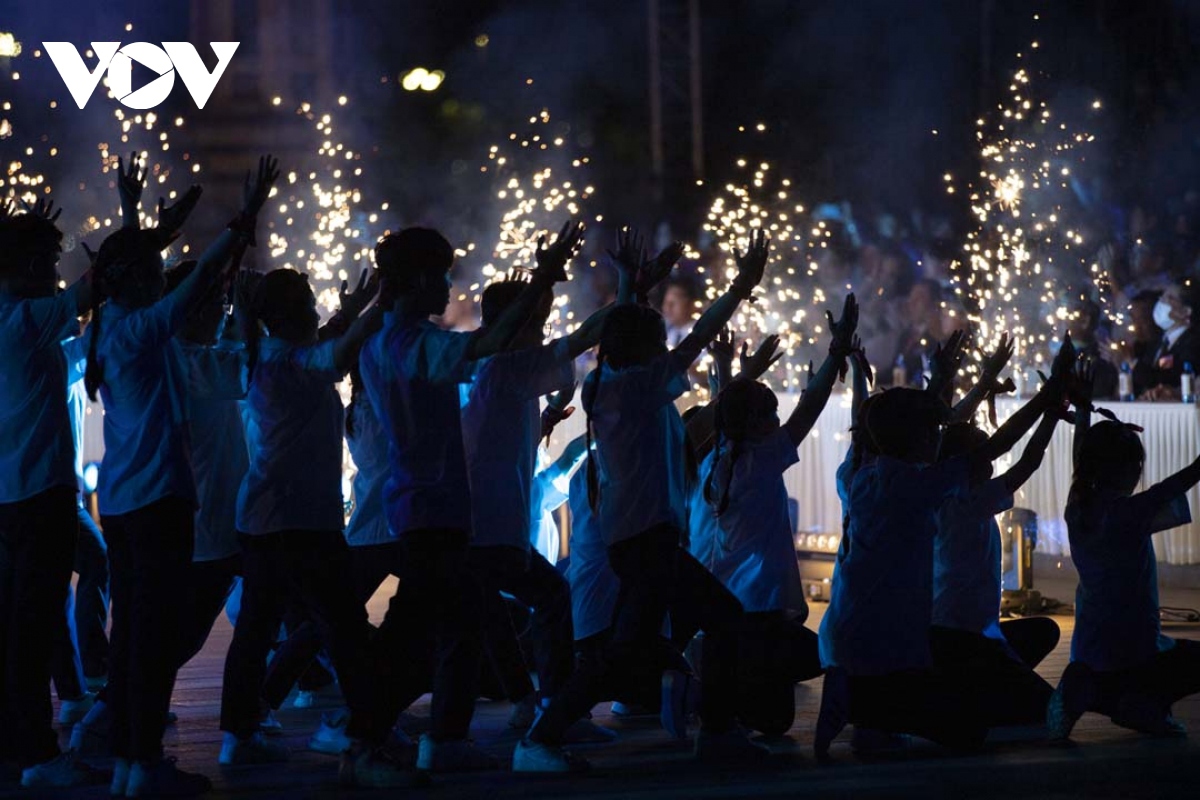
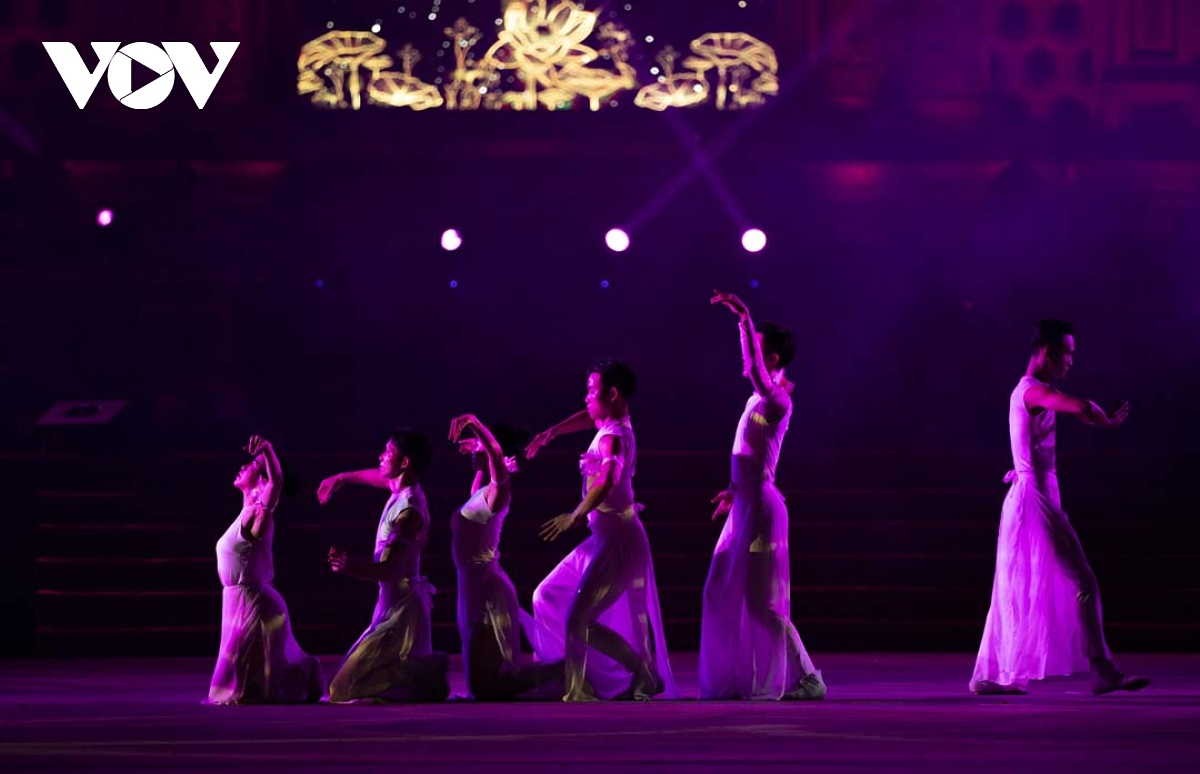
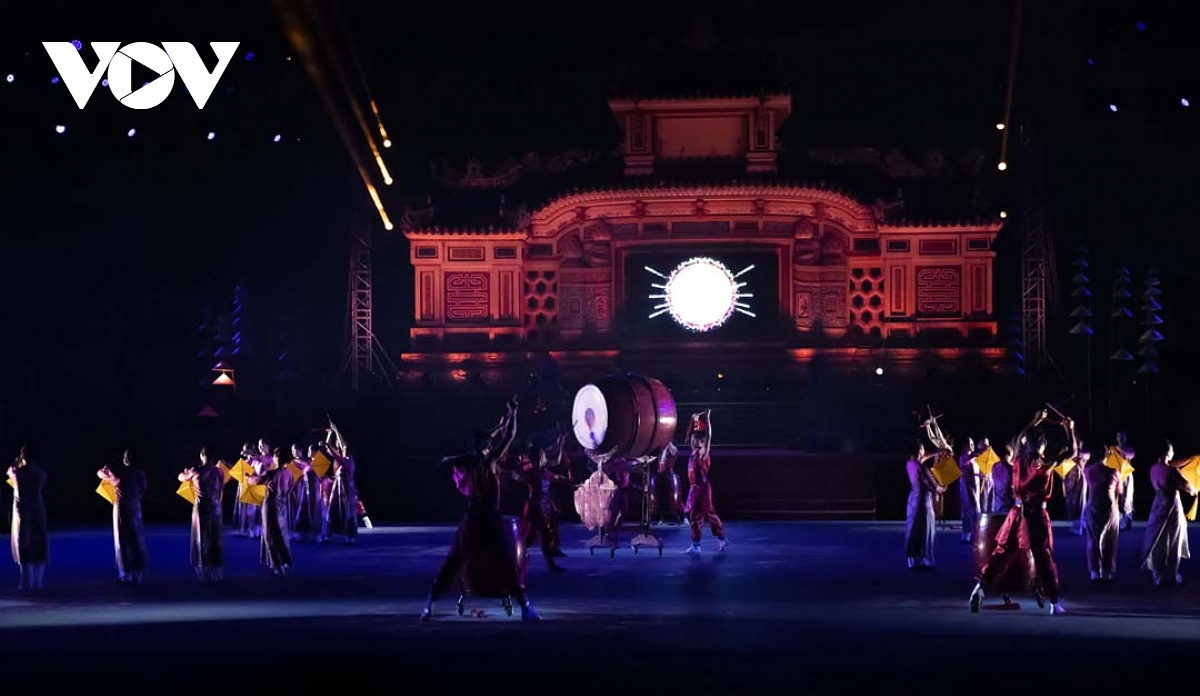
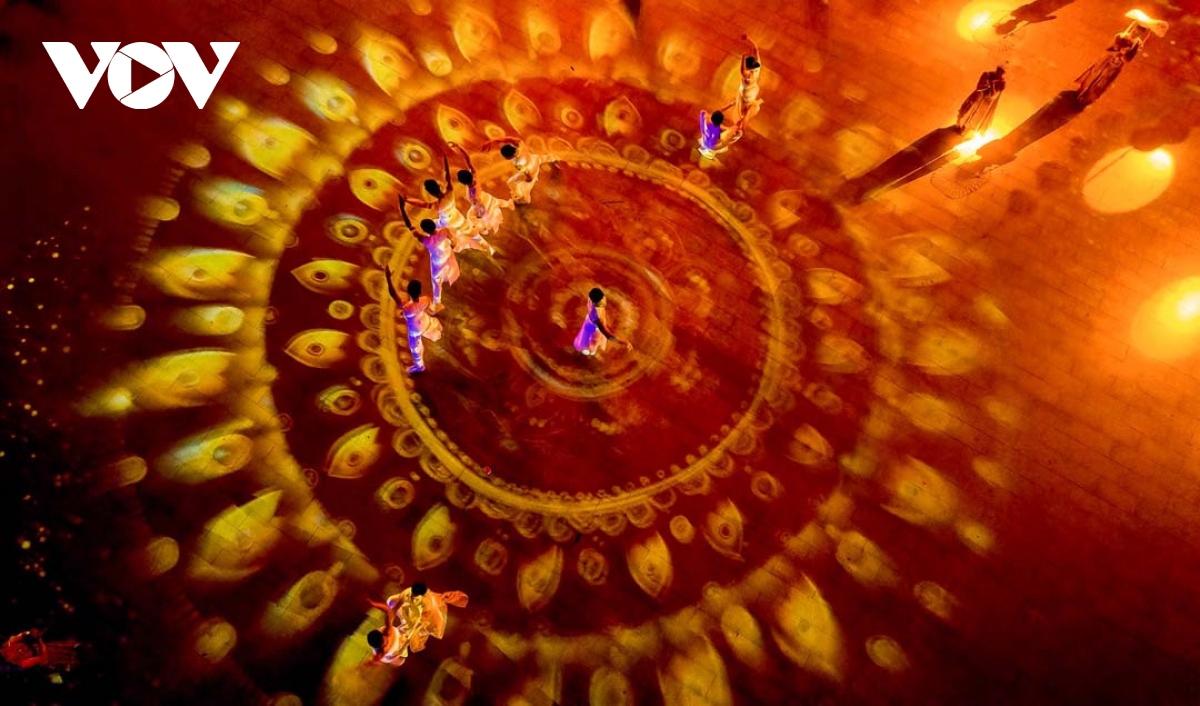
Students from Quoc Hoc High School participate in a performance staged by The Wall band.
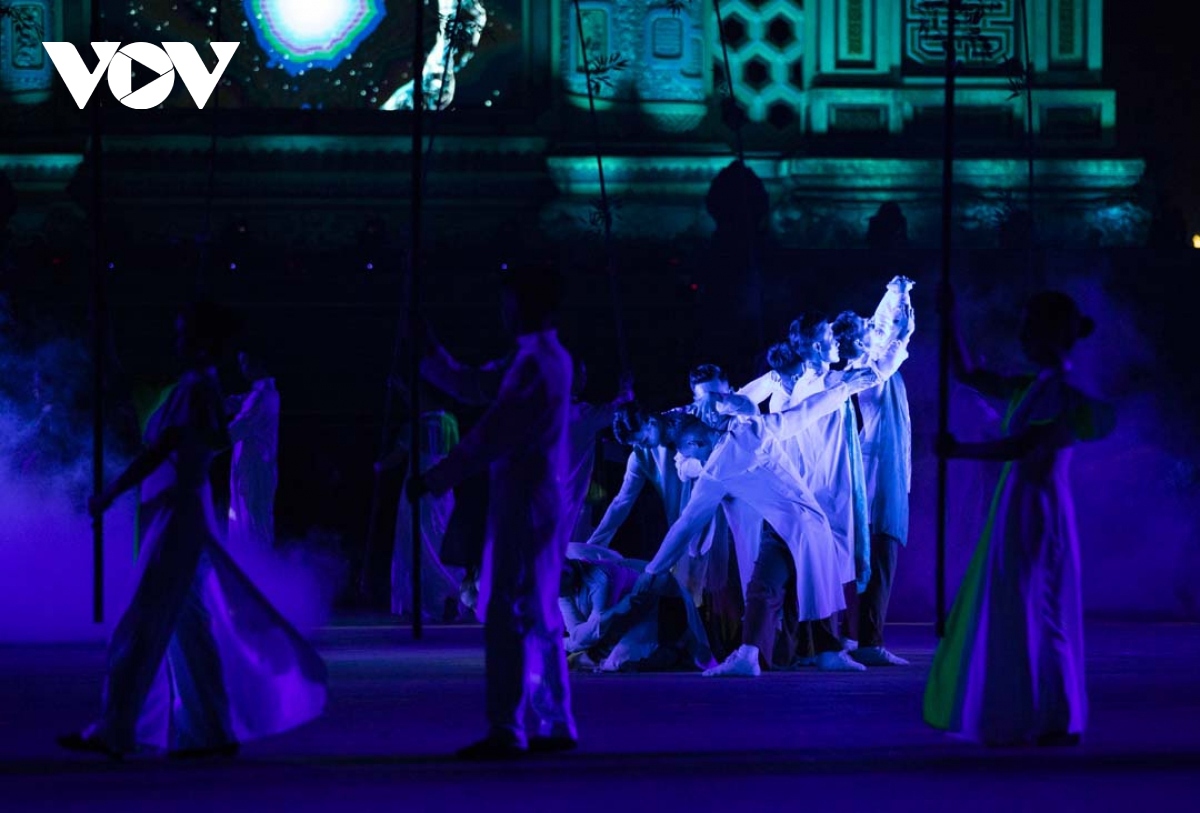
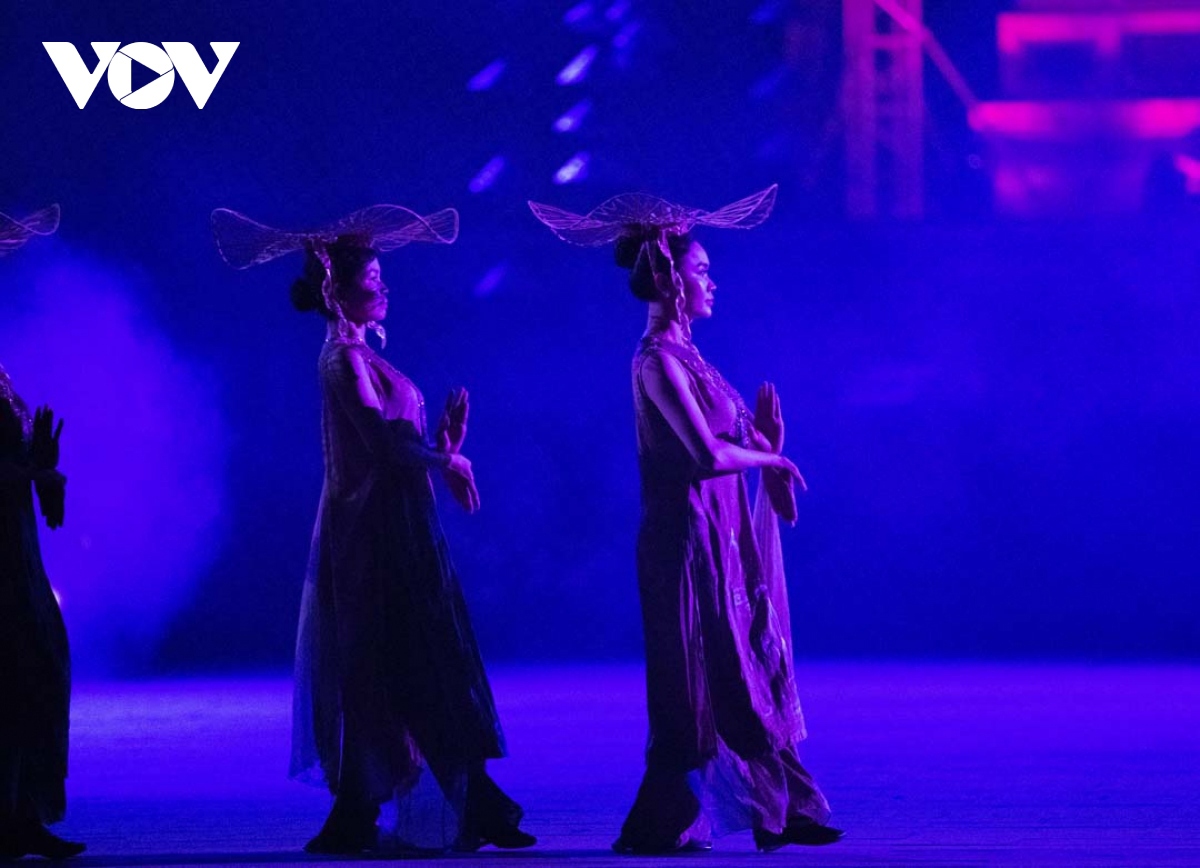
According to archeographer Tran Ly Ly, music and dance are used to tell a story honouring skillful hands of artisans.
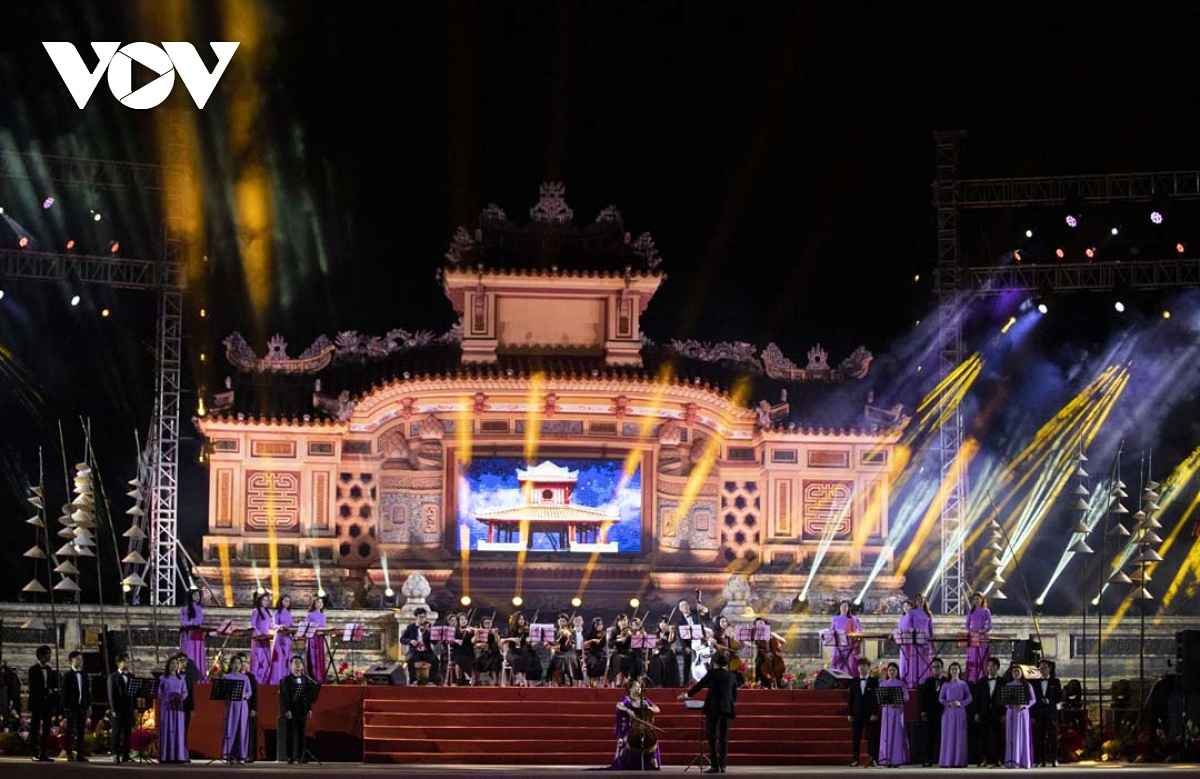
Bobby Kim, an artist of the Republic of Korea, performs at the ceremony.
Hue, the last capital of the Vietnamese feudalism (the Nguyen Dynasty), still preserves almost the original tangible and intangible cultural heritages, including traditional craft villages.
Many craft villages were established to serve the royal court and the daily life of local people at that time.
Despite ups and downs, hundreds of craft villages have been preserved for hundreds of years, showing the strong vitality and gratitude to the ancestors of the ancient capital.
Hue’s craft villages are divided into six main groups producing tools, interior decorations, garment, building materials, food, and jewelries.
The preservation of traditional craft villages in Hue shows a very unique interference and combination of folklore and royal culture values in the former imperial city.
It is a combination of the cuisine, the costumes, the architecture, and the rituals all mirrored in the traditional craft villages.
Thanks to huge investments, craft villages in Hue have been developed into tourist attractions.
Developing craft villages into a special tourism product is considered an effective way to preserve and honor the unique traditional cultural values in the locality.
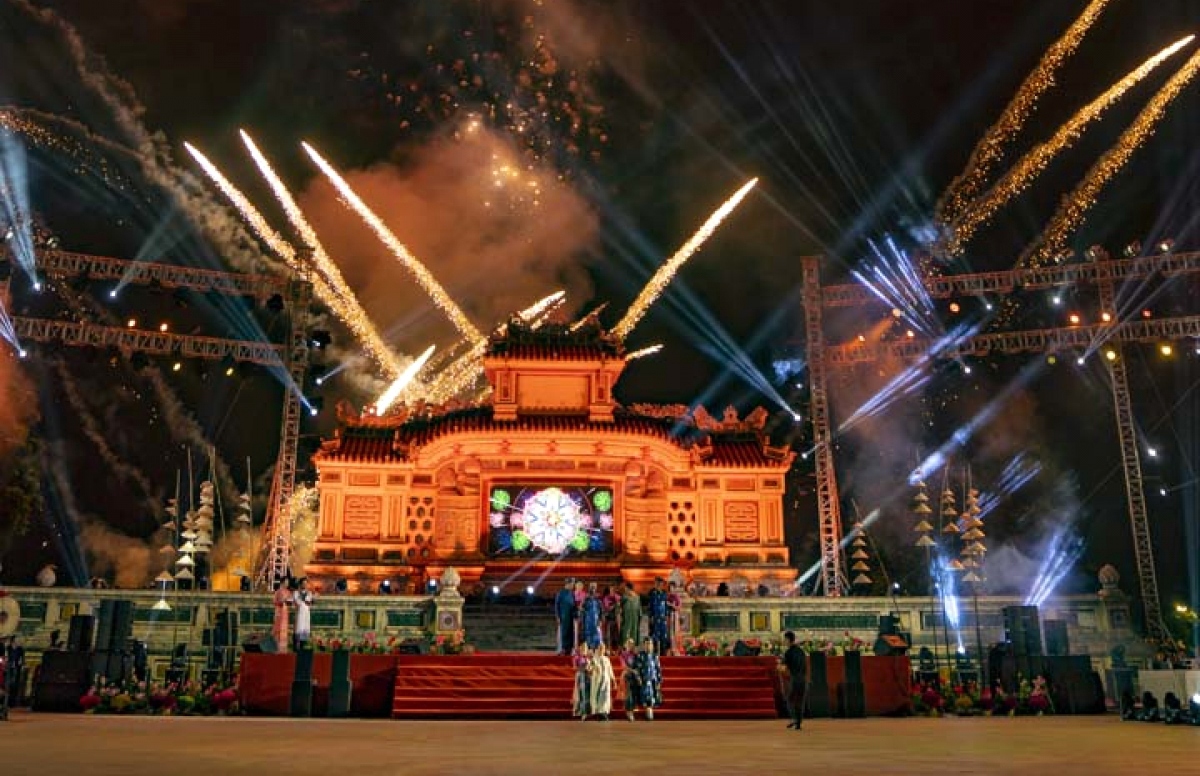
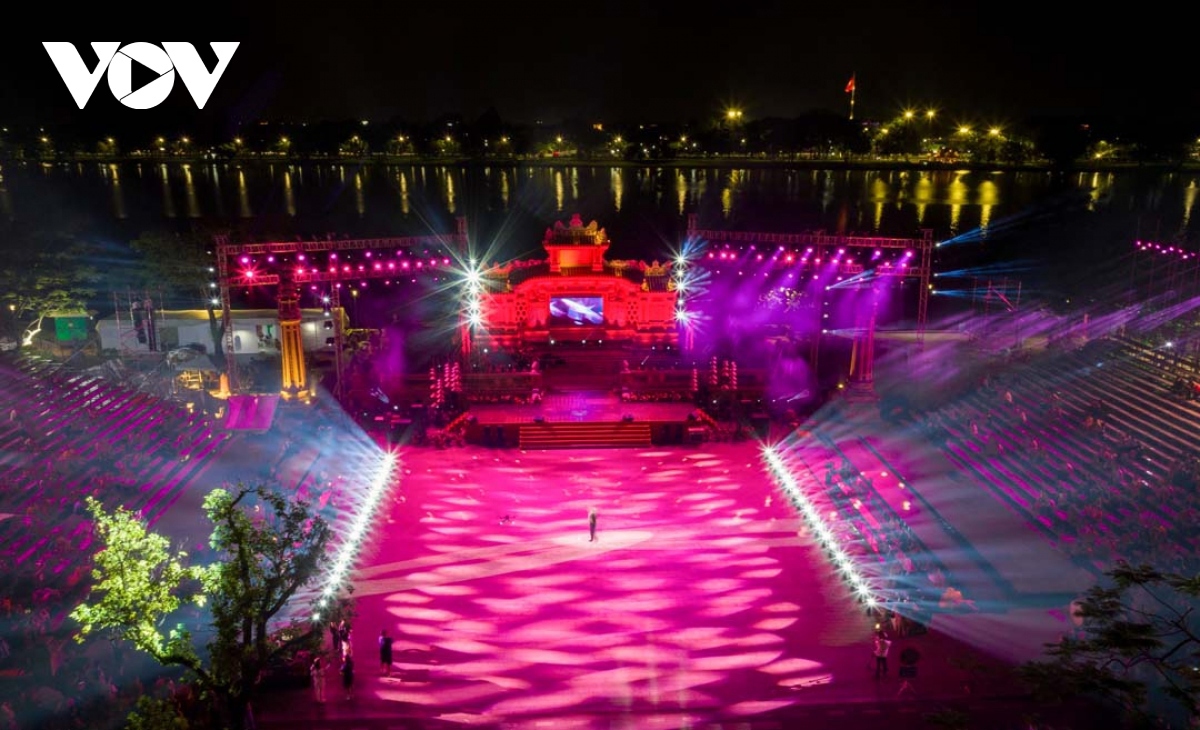
. The week-long festival not only shows the cultural values of the traditional craft villages but presents a chance for artisans and researchers, as well as domestic and international organizations to share experience in preserving and developing those villages.



Nhận xét
Đăng nhận xét